

Understanding Ethiopia: An Introduction for Travelers
Located in the Horn of Africa, Ethiopia is a landlocked country known for its ancient heritage, distinctive cultural traditions, extraordinary landscapes and important place in African history. Its geographical diversity includes high mountain ranges, fertile plateaus, lakes, forests, grasslands, arid lowlands and volcanic terrain.
Ethiopia is also home to many languages, ethnic communities, religious traditions, regional cuisines and artistic expressions. These differences make traveling across the country a journey through several distinctive environments and cultural worlds.
The country offers a broad range of experiences, including:
- Historical and archaeological exploration: Discover ancient Aksum, the castles of Gondar, the rock-hewn churches of Lalibela and the museums of Addis Ababa.
- Cultural and community experiences: Learn about local traditions, traditional crafts, music, food, markets and community life.
- Mountain trekking and hiking: Explore the landscapes of the Simien and Bale Mountains.
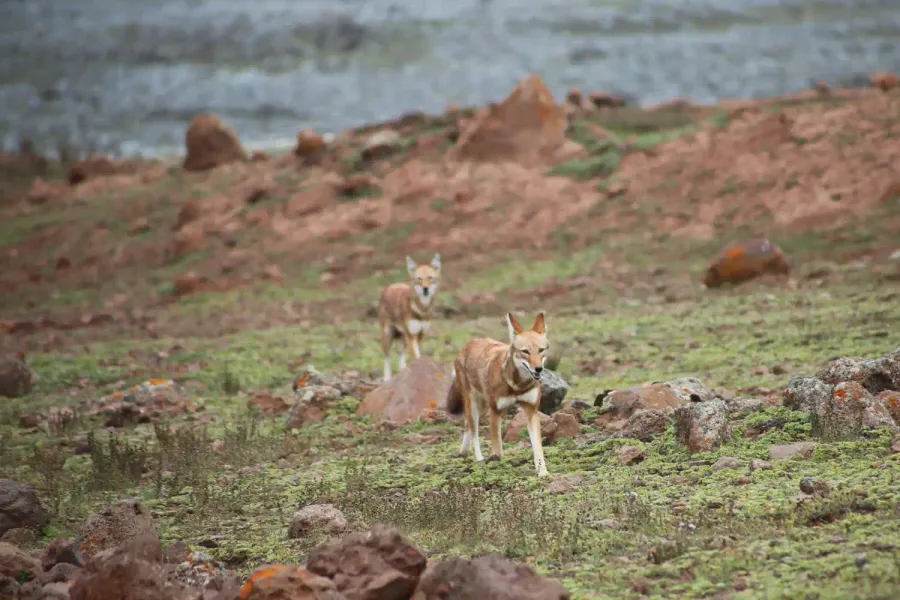
- Wildlife and nature: Search for Ethiopia's distinctive wildlife, including gelada monkeys, Ethiopian wolves and a rich variety of birdlife in suitable habitats.
- Volcanic and geological landscapes: Experience the extraordinary terrain of the Danakil region.
- Coffee and culinary experiences: Discover Ethiopian coffee traditions and explore a cuisine shaped by regional ingredients and longstanding food customs.
- Festivals and celebrations: Experience religious and cultural celebrations when your travel dates coincide with them.
The best Ethiopian itinerary is one that matches your available time, interests, budget, preferred travel style and the practical conditions of the destinations you wish to visit.
Major Travel Regions of Ethiopia
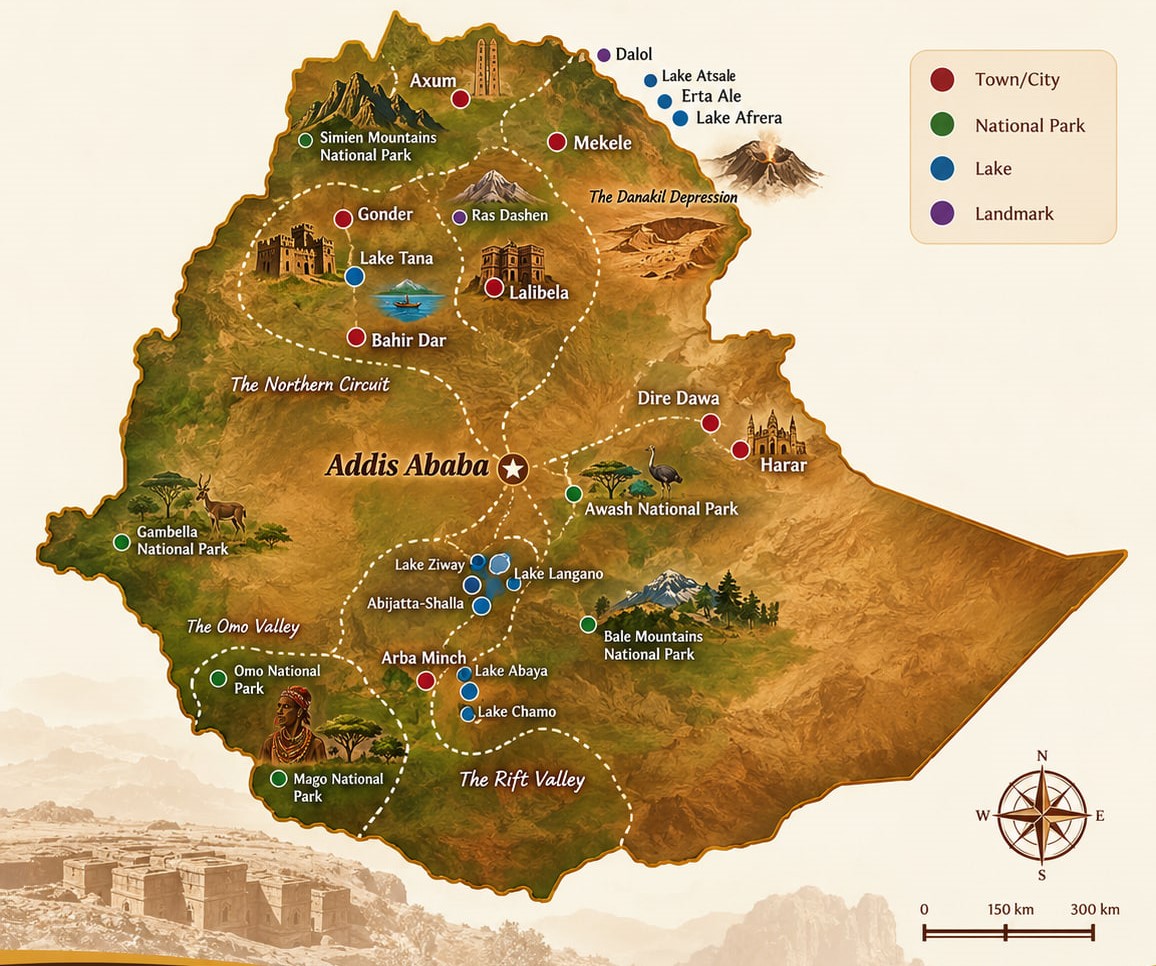
Ethiopia is a large and geographically diverse country. For travel planning, its destinations can be grouped into several broad regions. These are useful itinerary-planning categories rather than official administrative divisions.
Northern Ethiopia: History, Heritage and Highland Landscapes
Northern Ethiopia is renowned for its historical monuments, religious heritage, dramatic mountains and archaeological sites. A northern heritage itinerary can feature Bahir Dar, Gondar, the Simien Mountains, Aksum, Lalibela and the Gheralta Mountains.
Highlights include:
- The rock-hewn churches of Lalibela.
- The historic castles and royal architecture of Gondar.
- Lake Tana and the Blue Nile Falls near Bahir Dar.
- The ancient obelisks and archaeological heritage of Aksum.
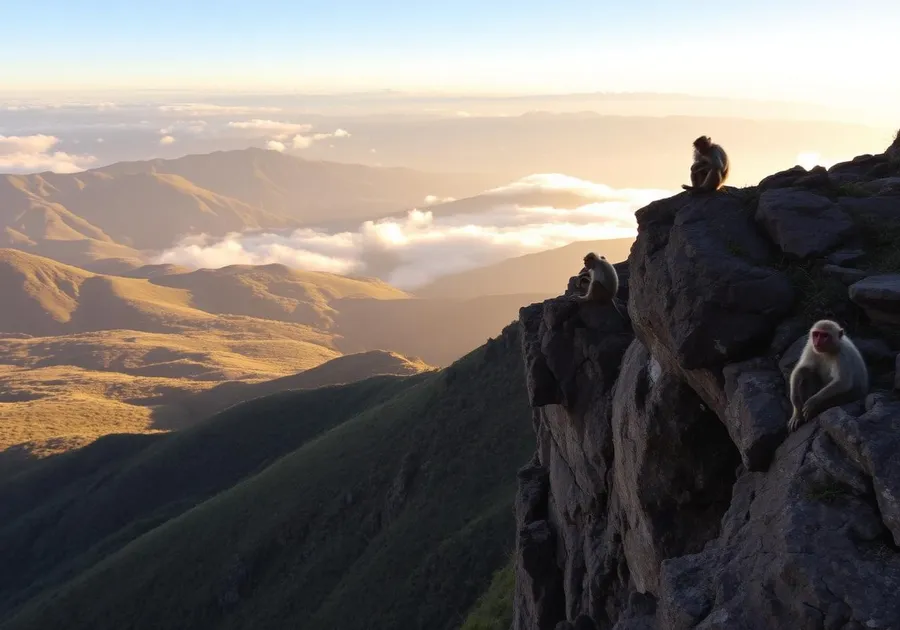
- The mountain scenery and wildlife of the Simien Mountains.
- The distinctive rock formations and historic churches of Gheralta.
Allow sufficient time for transfers, guided visits and relaxed exploration between destinations.
The Great Rift Valley and Southern Lakes
The Ethiopian Rift Valley offers a contrasting landscape of lakes, escarpments, agricultural communities and opportunities for birdwatching, relaxation and cultural exploration.
Depending on the route, visitors may explore areas around Ziway, Langano, Abijatta-Shalla, Awash and the southern lakes near Hawassa and Arba Minch.
Experiences can include:
- Scenic drives through the Rift Valley.
- Lakeside relaxation and selected water-based activities.
- Birdwatching and nature photography.
- Visits to local markets and communities.
- Exploring the landscapes around Arba Minch and the surrounding lakes.
- Learning about regional food, crafts and everyday life.
The Rift Valley can be an excellent addition to a longer journey between Addis Ababa and southern Ethiopia.
The Omo Valley: Culture and Community Encounters
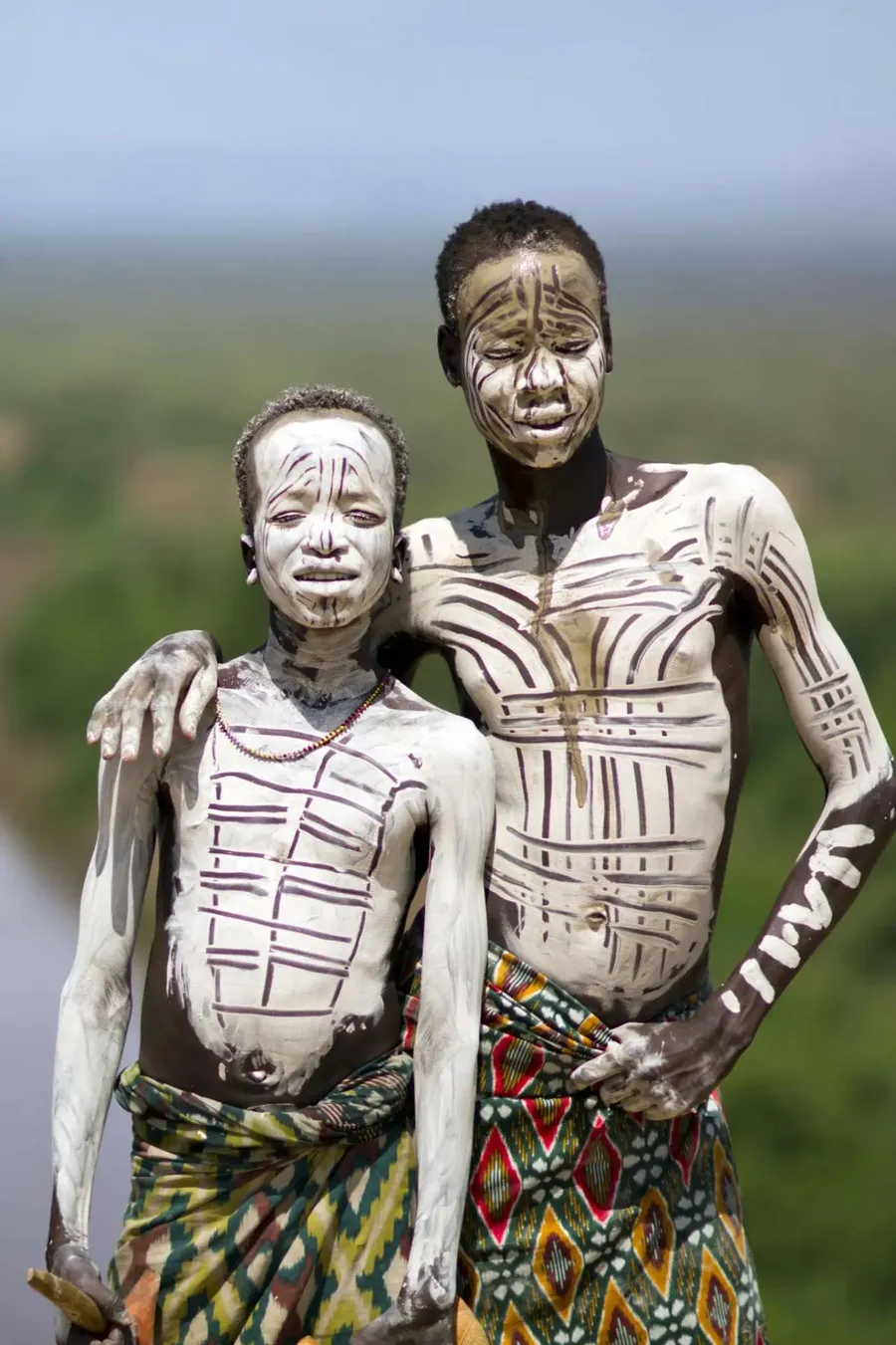
The Lower Omo region in southern Ethiopia is known for its cultural diversity, distinctive traditions, pastoral livelihoods and striking landscapes.
Travelers may encounter communities including Hamar, Karo, Mursi and other groups, depending on the route, local arrangements and current access.
A thoughtful Omo Valley journey should prioritize respectful interaction, knowledgeable local guides and meaningful cultural understanding rather than treating communities as tourist attractions.
Important considerations include:
- Ask permission before photographing people.
- Follow local guidance on photography fees and cultural protocols.
- Respect individual choices and community boundaries.
- Understand that ceremonies, markets and community activities do not operate according to a fixed tourist schedule.
- Allow additional time for road travel and changing local conditions.
The Omo Valley is best explored through a carefully organized itinerary that allows time for travel, cultural learning and flexibility.
The Danakil Depression: Volcanic Landscapes and Geological Wonders
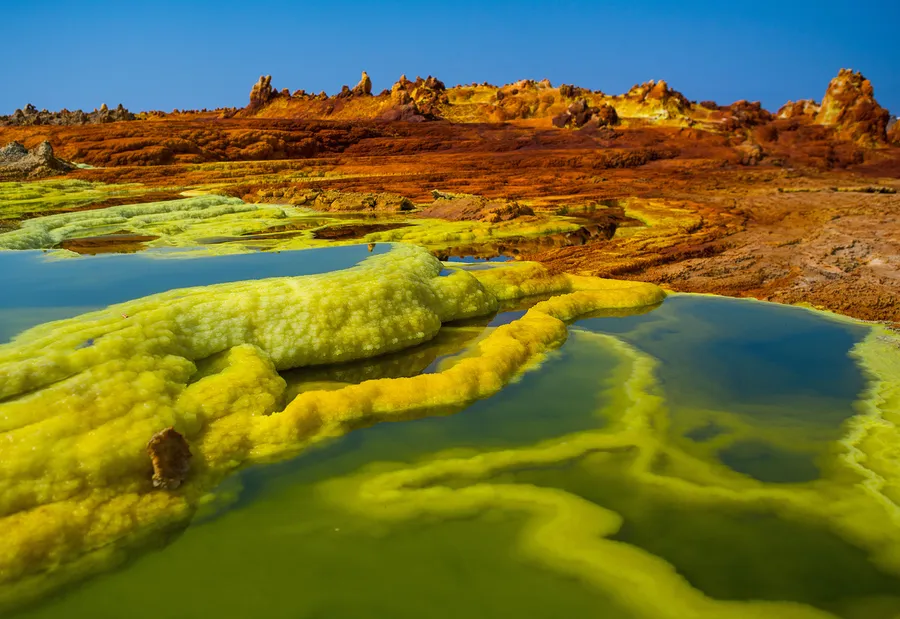
The Danakil Depression in northeastern Ethiopia is known for its extreme environment, mineral-rich landscapes, salt flats and volcanic features. Dallol and the Erta Ale volcanic area are among the region's best-known attractions.
A journey into this region may involve long drives, limited facilities, intense heat and specialized logistical arrangements. An experienced local team coordinates transport, accommodation and specialist support for this expedition.
Plan with a specialist team to select the right season, route and pace for your Danakil experience.
The Bale Mountains: Highland Wildlife and Trekking
The Bale Mountains in southeastern Ethiopia offer high-altitude plateaus, forests, grasslands and habitats associated with distinctive Ethiopian wildlife.
Depending on the season and current access, visitors may enjoy:
- Guided mountain walks and trekking.
- Scenic drives through highland landscapes.
- Birdwatching and wildlife observation.
- Exploration of the Sanetti Plateau.
- Opportunities to learn about the region's ecology and conservation.
The Bale Mountains are especially attractive to travelers interested in nature, photography and outdoor experiences. Appropriate clothing, acclimatization and suitable guiding arrangements are important.
Harar: Historic Streets and Living Traditions
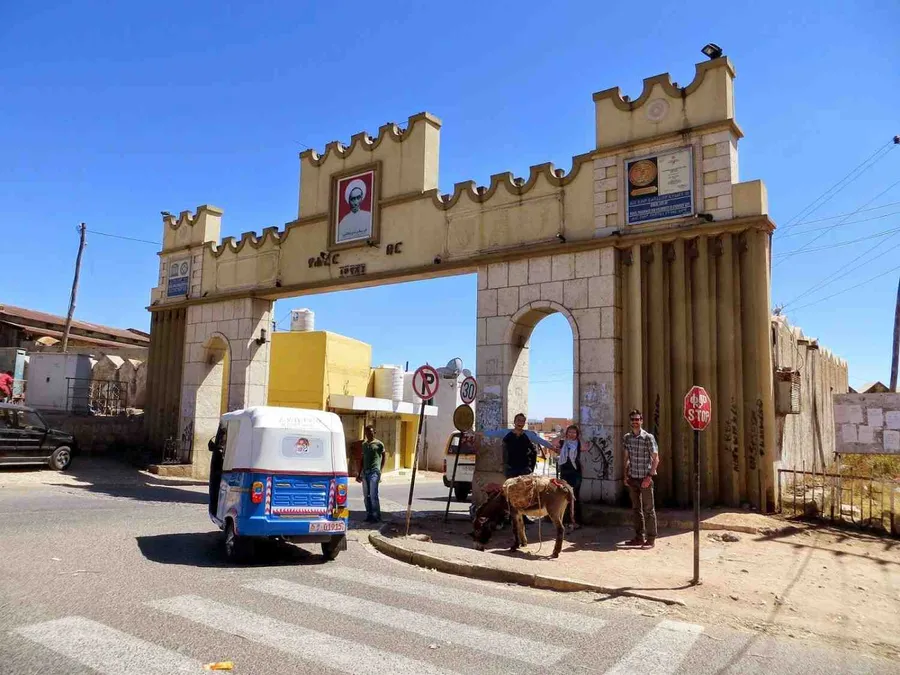
Harar is known for its historic walled city, traditional houses, colorful markets and distinctive cultural heritage. Its narrow streets and longstanding trading traditions offer a different perspective on Ethiopia's history and cultural diversity.
A visit can include guided walks through the old city, exploration of traditional architecture, local food experiences and learning about Harar's cultural and religious history.
Combine Harar with a carefully timed journey from Addis Ababa for a rewarding heritage experience.
Other Destinations Worth Considering
Ethiopia's travel possibilities extend well beyond its best-known circuits. Depending on current conditions and your interests, consider:
- Addis Ababa: Museums, markets, contemporary culture, restaurants and coffee experiences.
- Bishoftu: Crater lakes, lakeside resorts and short breaks from the capital.
- Jimma and Agaro: Coffee-growing landscapes and opportunities to learn about Ethiopian coffee.
- Chebera Churchura National Park: Forests, wildlife and natural scenery, subject to access and operational conditions.
- Konso: Cultural landscapes, traditional settlement patterns and distinctive local heritage.
- Gheralta: Dramatic sandstone scenery and historic churches, subject to current regional access.
Our local team can help combine destinations into a well-paced itinerary with realistic travel times.
The Best Places to Visit in Ethiopia
Addis Ababa
City life & coffee culture
Simien Mountains
Highland scenery & wildlife
Danakil Depression
Geological wonders
Harar
Heritage & living traditions
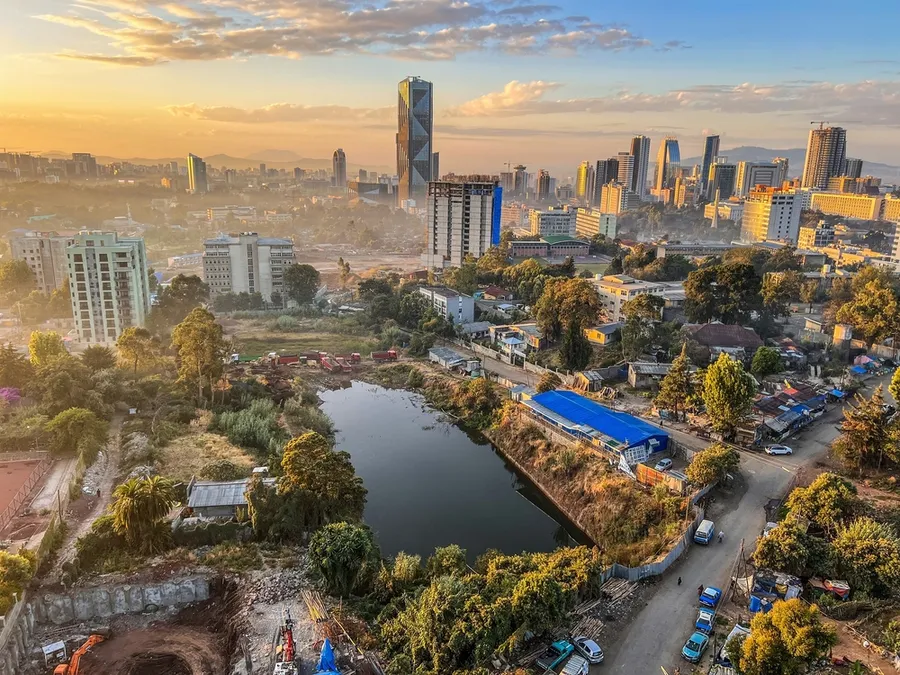
Addis Ababa: Ethiopia's Capital City
Addis Ababa is the country's main international gateway and an important destination in its own right. It combines modern urban life with museums, cultural institutions, traditional markets, restaurants and historic landmarks.
Visitors can explore the National Museum of Ethiopia, visit the Holy Trinity Cathedral, discover Merkato's commercial atmosphere and enjoy Ethiopian coffee culture.
The Entoto area offers elevated views and opportunities to explore the capital's surrounding highlands. A guided city tour can help visitors understand Ethiopia's history, contemporary life and cultural diversity.
Recommended for: First-time visitors, cultural travelers, stopovers, business travelers and travelers beginning or ending a longer Ethiopian itinerary.
Lalibela: The Rock-Hewn Churches
Lalibela is one of Ethiopia's most celebrated historical and spiritual destinations. Its remarkable rock-hewn churches are associated with medieval Ethiopian Christian architecture and remain important places of worship and pilgrimage.
Visitors can explore the church complexes with a knowledgeable guide, learn about their history and religious significance, and experience the town's highland setting.
Because these are living religious sites, visitors should dress respectfully, follow local instructions and observe photography rules.
Recommended for: History enthusiasts, religious and heritage travelers, photographers and travelers interested in architecture.
Gondar: Castles and Royal Heritage
Gondar is famous for Fasil Ghebbi, the historic royal enclosure containing castles and other structures associated with Ethiopia's imperial past.
The city also provides opportunities to explore religious heritage, traditional neighborhoods and the surrounding highland landscapes.
Gondar pairs beautifully with Ethiopia’s northern heritage destinations.
Recommended for: History lovers, architecture enthusiasts and travelers exploring Ethiopia's royal heritage.
Bahir Dar: Lake Tana and the Blue Nile Falls
Bahir Dar lies near Lake Tana, Ethiopia's largest lake and the source region of the Blue Nile. The city is known for its lakeside setting, boat excursions when available, nearby monasteries and the Blue Nile Falls.
Lake excursions can offer insight into the region's religious heritage, natural environment and local communities. Water levels and seasonal conditions can influence the appearance and accessibility of the falls.
Recommended for: Nature lovers, photographers, cultural travelers and visitors interested in lake landscapes.
The Simien Mountains: Dramatic Scenery and Wildlife
The Simien Mountains are celebrated for their steep escarpments, high plateaus, deep valleys and expansive viewpoints.
Depending on permitted routes and current conditions, visitors can experience guided walks, multi-day treks and opportunities to observe wildlife such as gelada monkeys.
Trekking plans should account for altitude, physical fitness, changing temperatures and park requirements. Arrange a knowledgeable park guide and appropriate trekking support in advance.
Recommended for: Hikers, trekkers, wildlife enthusiasts and landscape photographers.
Aksum: Ancient Ethiopian Civilization
Aksum is associated with one of the great ancient civilizations of the Horn of Africa. Its archaeological heritage includes monumental stelae, ancient tombs and other historic remains.
The destination offers an opportunity to explore Ethiopia's early history, its connections with regional trade networks and the development of its religious traditions.
Recommended for: Archaeology enthusiasts, historians and travelers interested in ancient civilizations.
The Omo Valley: Cultural Diversity
The Omo Valley offers opportunities to learn about the traditions and contemporary lives of diverse communities in southern Ethiopia.
Visits may include local markets, traditional settlements and cultural activities when appropriate and available. A respectful itinerary should be developed with local knowledge and community considerations in mind.
Recommended for: Cultural travelers, photographers seeking consent-based encounters, anthropological interests and travelers looking for a deeper understanding of regional diversity.
The Bale Mountains: Nature and Wildlife
The Bale Mountains provide a distinctive highland environment of forests, open plateaus and wildlife habitats. Guided excursions can focus on nature, landscape photography, birdwatching and trekking.
The best route depends on the season, your interests and the time available.
Recommended for: Nature enthusiasts, wildlife photographers, birdwatchers and outdoor travelers.
The Danakil Depression: A Unique Geological Environment
The Danakil Depression is renowned for its mineral colors, salt landscapes and volcanic features. It is an extraordinary destination, but its remote location and extreme environment require careful preparation.
Travel with a specialist team that organizes permissions, suitable vehicles and support for the remote terrain.
Recommended for: Experienced adventure travelers, geology enthusiasts and landscape photographers.
The Best Things to Do in Ethiopia
Ethiopia offers a wide variety of experiences that can be combined into a personalized journey.
Explore Historical and Religious Heritage
Visit ancient archaeological sites, historic churches, royal enclosures, museums and traditional settlements. Guided visits help explain the context behind the architecture, artifacts and religious traditions.
Go Trekking in the Ethiopian Highlands
Explore highland trails, mountain viewpoints and rural landscapes with suitable guides and logistical support. Choose a route that matches your fitness, available time and altitude experience.
Discover Ethiopian Wildlife
Plan nature-focused excursions in suitable habitats to look for endemic and regional wildlife. Wildlife sightings are never guaranteed, so allow time and follow responsible observation practices.
Experience Local Culture and Traditions
Explore markets, traditional crafts, music, dance and everyday community life. Choose locally informed experiences that respect the privacy, choices and dignity of the people you meet.
Discover Ethiopian Coffee
Coffee is an important part of Ethiopia's cultural identity. Learn about coffee preparation, regional growing traditions and the social significance of the traditional coffee ceremony.
Coffee-focused journeys can include visits to growing areas when access and the season allow.
Taste Ethiopian Cuisine
Discover injera, wot, tibs, shiro and other regional dishes. Ethiopian meals can provide an introduction to local ingredients, communal dining traditions and the country's diverse culinary heritage.
Vegetarian and fasting-friendly dishes are widely available in many locations, but travelers with allergies or specific dietary requirements should communicate their needs clearly.
Visit Lakes, Waterfalls and Scenic Landscapes
Enjoy lake views, waterfalls, highland scenery and countryside drives. Seasonal weather, water levels and road conditions can influence the best time and route for individual experiences.
Attend Cultural and Religious Festivals
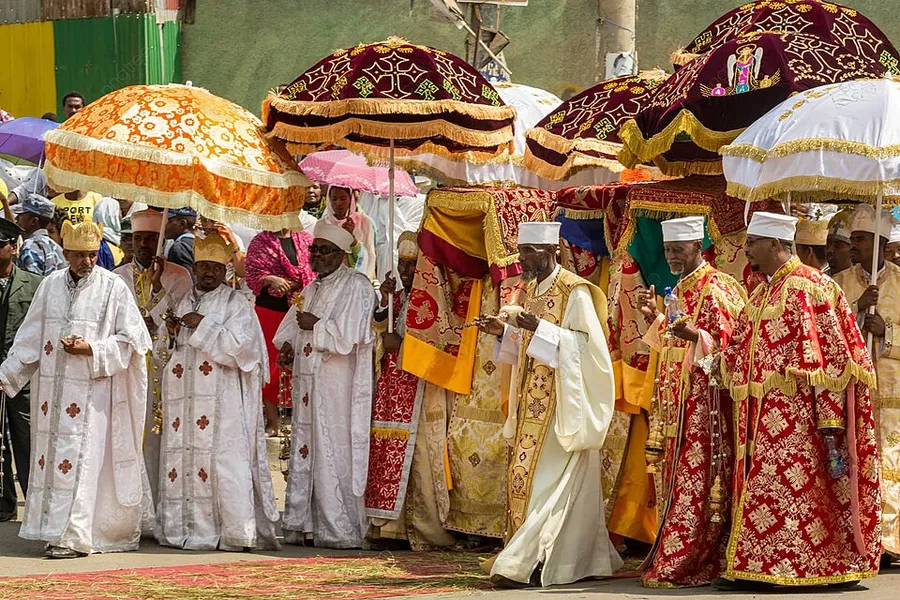
If your dates coincide with celebrations such as Timkat, Meskel or Irreechaa, you may be able to experience important cultural traditions.
Festival dates, access and accommodation availability should be confirmed well in advance. Visitors should follow local guidance and respect religious and community protocols.
How Many Days Do You Need in Ethiopia?
The ideal duration depends on the destinations you want to visit, the transport available and how much time you want to spend at each stop.
Use the following as an initial planning guide rather than a fixed itinerary.
- 3–5 days: Focus on Addis Ababa and selected nearby destinations, or visit one major destination with suitable connections.
- 6–8 days: Explore the capital and a carefully selected regional destination, subject to transport and access.
- 9–12 days: Consider a more extensive itinerary focused on a single region or a combination of compatible destinations.
- 13–16 days: Allow more time for regional exploration, longer journeys and a broader mix of cultural, historical and nature-based experiences.
- 17 days or more: Consider a tailor-made journey that combines several regions, provided current conditions and transport connections allow.
Suggested Itinerary Ideas
A Short Introduction to Ethiopia — 4 Days
Explore Addis Ababa's history, museums, markets and food culture, with an additional nearby excursion if practical.
Historic and Cultural Ethiopia — 8 to 12 Days
Build an itinerary around selected historic destinations, allowing sufficient time for transport, guided visits and local experiences. Our local team can help choose the route and arrange connections.
Southern Ethiopia and the Omo Valley — 7 to 12 Days
Explore selected Rift Valley destinations and southern cultural landscapes. Actual duration depends on road conditions, distances and the communities and experiences included.
Nature and Trekking in Ethiopia — 7 to 12 Days
Focus on an accessible mountain or nature destination with enough time for guided excursions, acclimatization and weather flexibility.
A Tailor-Made Ethiopia Expedition — 14 Days or More
Combine selected cultural, historical, culinary and nature experiences into a private itinerary tailored to your interests, pace and budget.
Before confirming any route, Travel Ethiopia can help assess the practicality of the journey and recommend alternatives if access or transport conditions change.
When Is the Best Time to Visit Ethiopia?
Ethiopia's climate varies considerably with altitude and region. There is no single season that is perfect for every destination.
October to February: Popular for Many Highland Trips
These months are often suitable for highland sightseeing and many cultural itineraries following the main rainy season. Landscapes can remain green after the rains, while conditions vary by location and altitude.
Popular religious celebrations may also fall during this period, depending on the Ethiopian calendar.
March to May: Regional Variation and Spring Rains
Conditions differ across the country. Some areas experience a secondary rainy season, while others can be relatively dry.
This period can work for selected destinations, but the best itinerary depends on local rainfall, road conditions and the activities planned.
June to September: Main Rainy Season in Much of the Highlands
Rainfall can affect road travel, trekking, visibility and access to remote locations. However, some landscapes become particularly green, and carefully planned journeys may still be possible.
Travelers should allow extra flexibility and confirm the suitability of individual destinations before departure.
How to Choose Your Travel Dates
Consider the following before booking:
- Your preferred destinations and activities.
- Expected seasonal weather and altitude.
- Religious festivals and local events.
- Road and flight availability.
- Destination opening schedules and local arrangements.
- Accommodation availability during busy periods.
Travel Ethiopia recommendation: Choose your destinations first, then select the most suitable travel dates. Our team can help match your interests with a practical itinerary and seasonal conditions.
How to Get to Ethiopia
International Arrivals
Most international visitors arrive through Addis Ababa Bole International Airport, the country's principal international gateway.
Before departure, check your airline's baggage rules, flight schedule, transit requirements and entry documentation. Keep your passport, approved visa if required, accommodation details and relevant travel contacts accessible.
Airport Arrival and Transfers
After arrival, travelers normally proceed through immigration, baggage collection and customs before meeting their prearranged transport.
If you have booked a transfer with Travel Ethiopia, confirm your flight number, arrival date, passenger names, luggage requirements and meeting instructions in advance.
For early-morning arrivals, consider whether your hotel reservation begins the previous night or whether a day-use arrangement is more suitable.
Traveling Between Destinations
Depending on the route, travelers may use domestic flights, private vehicles, organized road transfers or a combination of transport options.
Domestic flights can save time on longer journeys, while road travel offers opportunities to experience the changing landscapes between destinations.
Remote areas may have limited transport options, so itineraries should include realistic driving times, rest stops and contingency plans.
Flight schedules, road access and regional transport conditions should always be checked before finalizing an itinerary.
Visa and Entry Requirements for Ethiopia
Entry requirements depend on nationality, passport type, travel purpose and current government regulations.
Travelers should check the latest requirements before booking or departing. The official Ethiopian e-Visa portal provides current information about tourist visas, documentation and applications:
Official website: https://www.evisa.gov.et/
Depending on the applicable rules, travelers may need:
- A passport meeting the required validity period.
- A recent passport-style photograph.
- A digital copy of the passport.
- An approved visa or other required entry authorization.
- Supporting information requested during the application process.
Confirm passport validity, eligibility, processing times and current fees directly on the official e-Visa portal before applying. Allow time for processing before departure.
Apply through the official government portal and be cautious of unofficial websites that imitate government visa services.
Important: A tourist visa is intended for permitted tourism-related travel, not unauthorized employment or other activities requiring a different visa category.
Travel Ethiopia can help travelers identify the information they should verify before their trip, but the final responsibility for securing the correct travel documents rests with the traveler.
Accommodation in Ethiopia
Accommodation options vary by destination, from international-standard hotels and boutique properties to guesthouses, eco-lodges, mountain lodges and remote camps.
Hotels in Major Cities
Addis Ababa and other major urban centers offer a range of hotels, restaurants and business facilities. Availability, standards and amenities vary, so choose accommodation according to your budget and requirements.
Boutique Hotels and Heritage Properties
Selected destinations offer smaller properties that provide a more intimate atmosphere and opportunities to experience local architecture and hospitality.
Eco-Lodges and Nature Retreats
Lodges in suitable natural settings can be ideal for travelers interested in scenery, wildlife and time away from major cities. Remote properties may have limited connectivity and facilities.
Camping and Trekking Accommodation
Some trekking itineraries involve campsites or basic accommodation. Travelers should clarify equipment, meals, facilities, porter arrangements and physical requirements before confirming a trip.
How to Choose the Right Accommodation
Consider:
- Location and accessibility.
- Room standards and bathroom facilities.
- Heating, hot water and electricity reliability.
- Restaurant services and dietary requirements.
- Internet and mobile connectivity.
- Distance from attractions.
- Cancellation conditions and seasonal availability.
Travel Ethiopia can recommend suitable accommodation according to your route, comfort expectations and budget.
How Much Does It Cost to Travel in Ethiopia?
The cost of an Ethiopia trip depends on several factors, and prices should be calculated according to the actual itinerary rather than a single national average.
Main Factors That Affect Your Budget
Trip duration: Longer journeys generally require more nights, meals, transport and guiding services.
Group size: Private transport and guide costs may be shared among several travelers, making the cost per person different for solo travelers and larger groups.
Accommodation: International-standard hotels, boutique properties, luxury lodges and basic guesthouses have different price levels.
Transport: Domestic flights, private vehicles, long-distance transfers and specialized transport arrangements affect the total.
Guiding and activities: Professional guiding, park fees, entrance tickets, boat excursions and specialist experiences may add to the budget.
Season and availability: High-demand dates, festivals and limited accommodation in remote destinations can affect pricing.
What to Include in Your Trip Budget
When comparing tour quotations, check whether the following are included:
- Accommodation and meals.
- Airport transfers and ground transportation.
- Domestic flights and baggage allowances.
- Professional guides and drivers.
- Entrance fees and activity costs.
- Park fees and required local arrangements.
- Visa fees and international flights.
- Travel insurance, tips and personal expenses.
Request an itemized itinerary and quotation so you can understand what is included and compare options accurately.
Plan your budget with Travel Ethiopia: Tell us your travel dates, group size, accommodation preferences and interests, and we can prepare a tailor-made proposal.
Choosing a Guide and Tour Operator
A knowledgeable local team can make a significant difference to your experience in Ethiopia, particularly when visiting destinations that require specialist knowledge, long-distance logistics or coordination with local communities.
Local Guides
Local guides provide regional knowledge, cultural context and insight into the places where they work. They can help travelers understand local customs, history and everyday life.
Professional Escort Guides
An escort guide accompanies travelers across multiple destinations, helping maintain continuity and coordinate the journey. This can be especially valuable on longer itineraries or for travelers who prefer a single main point of contact.
Private and Tailor-Made Tours
Private tours allow you to adjust the pace, accommodation, activities and destinations to suit your preferences. They can be particularly useful for families, couples, photographers, small groups and travelers with specialist interests.
What to Look for in a Tour Operator
Before booking, consider:
- Relevant destination knowledge and local partnerships.
- Clear itineraries and written quotations.
- Transparent inclusions and exclusions.
- Reliable transport and accommodation arrangements.
- Communication before and during your trip.
- Appropriate contingency planning.
- Respectful cultural practices and responsible tourism principles.
Travel Ethiopia provides destination management and tour-operating services for travelers seeking organized, private and tailor-made experiences across Ethiopia. The itinerary and services should be matched to current access conditions and each traveler's needs.
Travel Preparation, Health and Local Etiquette
A rewarding Ethiopia journey starts with thoughtful preparation and a knowledgeable local team. Confirm your itinerary, transfers, accommodation and activity requirements before departure.
Before You Travel
Keep travel documents and contact details accessible, arrange appropriate travel insurance, and review your government’s current Ethiopia travel advice when choosing your route.
Health and Personal Preparation
Consult a qualified travel-health professional well before departure for advice on vaccinations, malaria prevention where relevant, food and water precautions, altitude and personal medication. Carry prescriptions in their original packaging and bring a suitable supply of personal medication.
Enjoy Thoughtful Cultural Encounters
- Ask permission before photographing people.
- Follow dress and conduct expectations at religious sites.
- Respect local customs and community decisions.
- Choose knowledgeable local guides.
- Support local businesses and community-led experiences.
- Leave natural and historic sites as you found them.
Read our pre-departure guide for more practical preparation, or talk to our team about your travel plans.
Ethiopian Food and Coffee Culture
Food is an important part of experiencing Ethiopia. Traditional meals often bring people together around shared dishes, while regional recipes reflect local ingredients and cultural influences.
Popular Ethiopian Dishes
Injera: A soft, fermented flatbread commonly served with a variety of dishes.
Doro wot: A traditional chicken stew often associated with special occasions and celebrations.
Shiro: A dish made from ground legumes and spices, commonly served with injera.
Tibs: Sautéed or grilled meat prepared in different regional styles.
Misir wot: A spicy red lentil stew.
Vegetarian and fasting dishes: A variety of plant-based dishes are available, particularly in establishments familiar with Ethiopian Orthodox fasting traditions.
Ingredients and preparation vary, so travelers with allergies or strict dietary needs should communicate their requirements clearly.
The Ethiopian Coffee Ceremony
Ethiopia is widely associated with coffee's cultural history and distinctive preparation traditions. A traditional coffee ceremony may involve roasting green beans, grinding them, brewing coffee and serving it in small cups.
The ceremony can be an opportunity to learn about hospitality, community and the social role of coffee.
For travelers interested in coffee, a tailor-made itinerary may include city coffee experiences or visits to suitable growing regions, depending on the season and logistics.
What to Pack for Ethiopia
Packing requirements depend on the season, altitude and destinations included in your itinerary.
Consider bringing:
- Lightweight, breathable clothing for warm conditions.
- Layers and a warm jacket for highland evenings and early mornings.
- Comfortable walking shoes.
- Hiking boots and appropriate outdoor clothing for trekking.
- Rain protection during wetter months.
- Sun protection, including a hat, sunglasses and sunscreen.
- Personal medication and a basic first-aid kit.
- Insect repellent where appropriate.
- A reusable water bottle and any recommended water-treatment supplies.
- A power adapter compatible with your devices.
- Portable charging equipment.
- Copies of travel documents and important contact information.
- Modest clothing for religious and cultural sites.
- Binoculars or a camera if you are interested in wildlife and photography.
For trekking and remote travel, ask your operator for a destination-specific packing list before departure.
Money, Payments and Daily Expenses
Travelers should plan how they will pay for accommodation, meals, transport, entrance fees and personal purchases.
The Ethiopian birr is the country's local currency. Availability of card payments and cash services varies by destination, accommodation and business.
Before departure:
- Check current currency and foreign-exchange regulations.
- Use authorized exchange services.
- Confirm which payment methods your hotel and tour operator accept.
- Carry an appropriate amount of local currency for small purchases and remote destinations.
- Keep cash and payment cards secure.
- Retain receipts and check the latest rules for bringing currency into or out of Ethiopia.
Do not rely on card payments or ATMs being available everywhere, particularly outside major urban centers.
Daily spending varies considerably according to accommodation, meals, transport, shopping and activities. Ask for a detailed quotation that separates prepaid tour services from expenses you will pay independently.
Mobile Networks, Internet and Electricity
Connectivity is generally more accessible in major cities than in remote rural areas, national parks and mountainous destinations.
Travelers should check current SIM registration requirements, available mobile services, roaming charges and data packages before arrival.
Consider downloading offline maps, keeping copies of reservations and saving important phone numbers before leaving areas with reliable internet access.
Power availability and charging facilities may vary in remote accommodation. A portable power bank can be useful, particularly during long drives and outdoor excursions.
If you rely on a device for medical, work or navigation purposes, make an appropriate backup plan.
Photography and Filming in Ethiopia
Ethiopia offers outstanding opportunities for landscape, architecture, wildlife and cultural photography. However, photography etiquette and restrictions vary between locations.
Before taking photographs:
- Ask permission before photographing individuals.
- Respect restrictions inside churches, museums and cultural sites.
- Confirm any applicable photography fees.
- Follow local instructions in markets and community settings.
- Never photograph restricted government, military or security installations.
- Use additional care when photographing religious ceremonies and private activities.
- Avoid intrusive behavior or staging encounters without permission.
Professional photography, commercial filming and drone use may require additional authorization. Check the relevant rules before bringing specialized equipment or planning a production.
Cultural Etiquette and Dress Code
Ethiopia's communities have diverse cultural and religious traditions. A respectful approach helps travelers build positive relationships and understand the places they visit.
When visiting churches and other religious sites, dress modestly and follow local instructions regarding shoes, head coverings, photography and access to sacred areas.
When invited to share food or participate in a cultural activity, observe your host's guidance and ask questions respectfully.
Greetings, hospitality and social customs can vary by community. A local guide can help explain the expectations relevant to your itinerary.
Learning a few basic Amharic expressions can also make everyday interactions more rewarding. Other languages are widely spoken across the country, so local language use will depend on the region.
Tipping in Ethiopia
Tipping practices vary by service, location and type of trip. Travelers may wish to recognize the work of guides, drivers, hotel staff and other service providers when appropriate.
Before your trip, ask your tour operator whether gratuities are included in the quotation or expected separately.
If tipping, consider the quality of service, local expectations and your own budget. Avoid assuming that a single amount is appropriate for every service or destination.
Responsible and Sustainable Tourism
Ethiopia's cultural heritage, landscapes and wildlife deserve thoughtful protection. Responsible tourism can help create positive economic opportunities while supporting conservation and cultural continuity.
Travelers can contribute by:
- Choosing locally informed and reputable tourism services.
- Respecting cultural traditions and personal boundaries.
- Supporting community businesses and craftspeople.
- Following designated routes and park regulations.
- Avoiding littering and reducing unnecessary single-use plastics.
- Respecting wildlife and maintaining appropriate viewing distances.
- Seeking permission before photography.
- Learning about the history and context of the places they visit.
- Treating guides, drivers, hosts and other service providers fairly.
Travel Ethiopia encourages visitors to approach each journey with curiosity, respect and a willingness to learn.
Frequently Asked Questions About Traveling to Ethiopia
Plan Your Ethiopia Journey with Travel Ethiopia
Ethiopia rewards travelers who take the time to understand its history, cultural diversity, landscapes and local traditions. From the streets and museums of Addis Ababa to highland scenery, coffee-growing regions, historic landmarks and community experiences, every journey can offer a different perspective on the country.
Planning the right trip begins with understanding your interests, available time, preferred comfort level and the practical conditions of the places you want to visit.
As an Ethiopia-based destination management company and tour operator, Travel Ethiopia can help you develop an itinerary around your priorities, coordinate suitable services and plan the journey with local knowledge.
Whether you are considering a private cultural tour, a historical expedition, a nature-focused adventure, a coffee journey, a family holiday or a tailor-made multi-region itinerary, our team can help you explore the available options.
Start planning your journey today.
Contact Travel Ethiopia to discuss your travel dates, group size, destinations and interests. We will help you explore suitable itinerary options and prepare a proposal based on your requirements and current travel conditions.
Travel Ethiopia — Discover the Land of Origins Through Meaningful Journeys.